
Golf improvement is often made in quiet, simple moments. It happens when a player repeats the right movement, checks the right details, and understands why a shot behaved the way it did. Many golfers spend hours on the range without a clear plan, then wonder why the same misses keep showing up on the course. A better approach is to create a practice routine that combines structure, feedback, and patience.
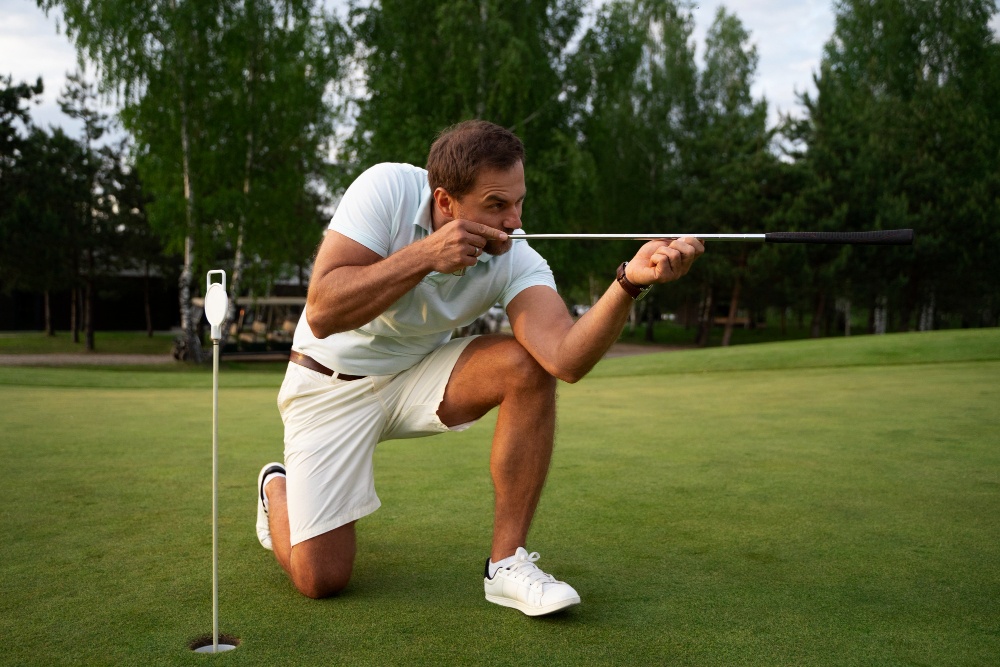
The first area worth improving is alignment. Poor aim can make a good swing look bad. A player may hit the ball exactly where the body is pointed, yet still believe the swing was the problem. This is why setup checks are so important. Practicing with golf alignment sticks gives players a simple visual guide for the target line, stance width, shoulder direction, and ball position. These references help remove guesswork and make it easier to repeat a reliable address position.
Once alignment is clearer, golfers can focus on how the club moves during the swing. A common issue is unstable wrist action. When the wrists become too active too early, the clubface can open or close at the wrong time. This often leads to inconsistent contact, weak ball flight, or shots that start offline. A wrist trainer golf aid can help players feel a more controlled relationship between the hands, wrists, and clubface. It is especially useful during slow rehearsals, where the goal is to build awareness rather than chase distance.
Clean contact also depends on the condition of the clubface. Many golfers overlook their grooves, even though grooves play a role in spin and control. Grass, dirt, and wear can affect how the ball launches and stops, especially with wedges. A club groover can help maintain the grooves so that short game practice gives more reliable feedback. When the face is clean and prepared, it becomes easier to understand whether a missed shot came from technique, lie, or execution.
A strong practice session does not need to be long. It needs to be intentional. Start with a few minutes of setup work. Place a visual guide on the ground, check your posture, and take slow swings before hitting full shots. Then move through different clubs instead of staying with one club for too long. This keeps the session closer to real golf, where every shot requires a fresh decision.
Short game work should be part of every routine. Pick targets at different distances and rotate after each shot. This builds touch and helps players become more comfortable with partial swings. For putting, focus on speed control from longer distances and starting the ball on line from shorter distances. These skills can save strokes quickly because they reduce three putts and improve confidence around the green.
The best practice habits are repeatable. They do not rely on motivation alone. When golfers use simple feedback, clear goals, and steady repetition, improvement becomes easier to track. Every swing does not need to be perfect. The real goal is to understand patterns, reduce avoidable mistakes, and make each practice session count.